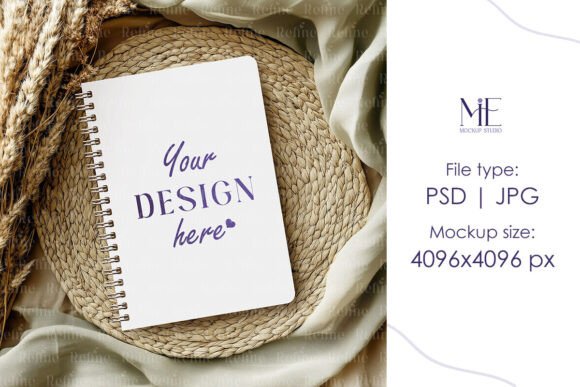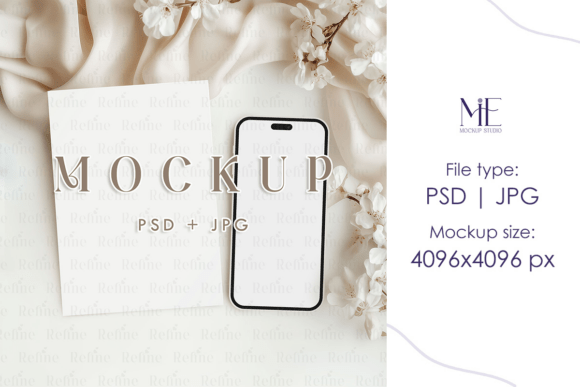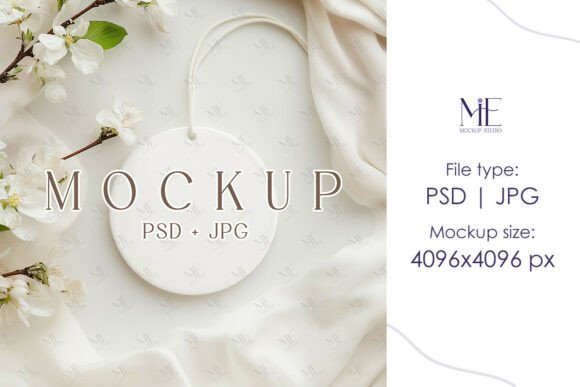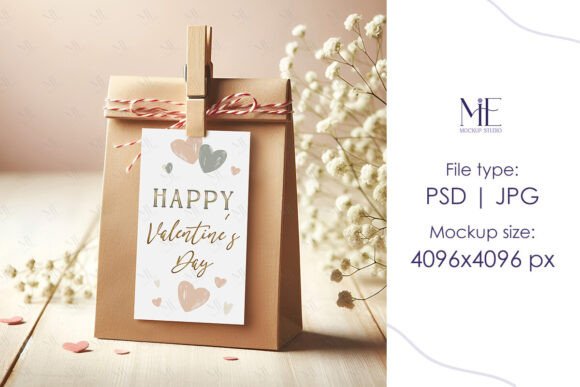
Welcome Sign Mockup Poster or Seating: A Practical Tool for Creative Presentations
Designers, marketers, and entrepreneurs often need to present their work in a way that feels authentic and professional. Whether you're showcasing invitations, business cards, stationery, or signage, using the right tools can make all the difference. One such tool is the Welcome Sign Mockup Poster or Seating, an editable digital template that allows you to visualize your designs in realistic settings. These mockups are especially valuable when working with visual content that needs to appear polished and contextually relevant before final delivery or marketing.
Understanding Welcome Sign Mockups
A welcome sign mockup is essentially a digital representation of how your design will look when printed and displayed in real life. It helps bridge the gap between your creative output and its physical application. For instance, if you're designing a poster for a wedding or event, a mockup gives potential clients a clear idea of how it will fit into the venue’s aesthetic.
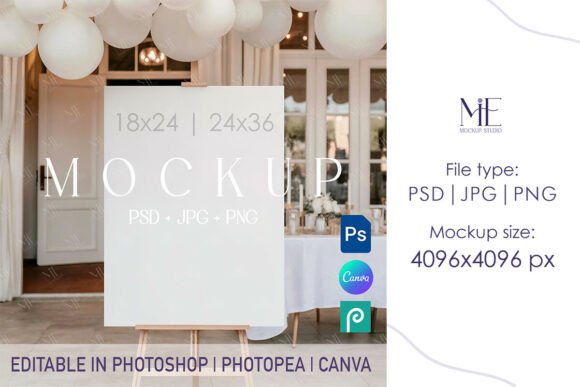
The Welcome Sign Mockup Poster or Seating typically includes two poster sizes—18x24 inches and 24x36 inches—to accommodate different display needs. The templates come as high-resolution JPG files (4096x4096) and fully layered PSD files, which offer Smart Object layers for easy customization. This means you can insert your artwork, text, or logo without worrying about scaling or alignment issues.
Where It Fits in Your Workflow
Mockups like these are most useful during the presentation or review phase of your project. Here's how they can be integrated:
- Before a Project: Use them to set expectations with clients or stakeholders by showing how their branding or message will appear in situ.
- During Design: Insert your drafts into the mockup to test layout, color balance, and typography in a realistic environment.
- After Finalization: Display your completed work on the mockup for portfolio use, social media promotion, or e-commerce listings.
These mockups help ensure that your designs are not only visually appealing but also functional and appropriate for the intended space or setting.
How to Use the Welcome Sign Mockup Template Effectively
Getting started with the Welcome Sign Mockup Poster or Seating is straightforward. After purchasing, you'll receive an instant digital download containing both a PSD file and a JPG version. Here's a quick guide to using the PSD file in Adobe Photoshop:
- Open the downloaded PSD file in Photoshop.
- Locate the Smart Object layer—this is where your design will go.
- Double-click the Smart Object to open it, then replace the placeholder image with your own design.
- Save the changes and close the Smart Object window. Your design should now appear seamlessly within the mockup.
- Export the final image in your preferred format to use for presentations, client proposals, or online showcases.
This process allows you to maintain control over the quality and accuracy of your design while benefiting from the realism of a mockup. Because no physical items are shipped, everything is available instantly, saving time and effort in logistics.
Integration with Other Tools and Platforms
These mockups are designed to work well with other design platforms and workflows. While they’re optimized for Photoshop, the high-resolution JPGs can be used across various software applications and online platforms. If you're using Canva or another graphic design tool, you can export your design at the correct resolution and size, then import it into the mockup for a more realistic preview.
Additionally, many designers find it helpful to pair these mockups with project management tools like Trello or Asana to track the progress of design revisions and approvals. By attaching mockup previews to tasks or notes, teams can stay aligned on visual goals and reduce back-and-forth communication.
Workflow Examples and Use Cases
Here are some practical examples of how the Welcome Sign Mockup Poster or Seating can be used in different scenarios:
Event Planning and Marketing
When organizing an event, whether it's a corporate conference or a family gathering, having a clear visual of your signage can enhance coordination. You can create multiple versions of the welcome sign in the mockup to test different themes or messages, ensuring that your branding is consistent across all materials.
E-Commerce Product Listings
If you sell custom posters, signs, or printed products online, using a mockup in your product images adds credibility and clarity. Buyers can see exactly what they’ll get before making a purchase, reducing return rates and increasing satisfaction. You can even automate this part of your workflow by creating a library of mockups tailored to your offerings.
Portfolio and Social Media Content
Graphic designers and artists often struggle to showcase their work in a way that reflects its intended use. A welcome sign mockup provides a clean, realistic backdrop that highlights your creativity without distracting viewers. It’s particularly effective for Instagram posts, LinkedIn articles, or Behance portfolios where visuals speak louder than words.
Factors to Consider When Using Welcome Sign Mockups
To get the most out of your Welcome Sign Mockup Poster or Seating, consider the following elements:
- Preparation: Before inserting your design, ensure it matches the dimensions specified in the mockup. Proper sizing prevents distortion and maintains the illusion of a real-world application.
- Compatibility: Confirm that your design software supports Smart Objects. If you're using a non-Photoshop tool, the JPG version may still be sufficient depending on your needs.
- Usability: Keep your workspace organized by naming and grouping layers clearly. This makes future edits easier and ensures consistency across multiple projects.
- Efficiency: Use mockups early in the design process to catch issues before printing or sending final deliverables. This saves both time and money.
- Quality Control: Always review the final mockup image under different lighting conditions or screen resolutions to verify that colors and details remain accurate.
By taking these steps, you can streamline your workflow and ensure that your mockups serve their purpose effectively—whether it's for client approval, marketing, or personal use.
Long-Term Benefits and Best Practices
Incorporating a Welcome Sign Mockup Poster or Seating into your long-term design strategy offers several benefits. First, it improves client communication by providing a tangible reference point. Second, it enhances your professional image by demonstrating attention to detail and an understanding of real-world applications.
Over time, you may want to build a collection of mockups that reflect your brand’s style or the types of events you specialize in. For example, if you focus on boho-themed weddings, you might invest in a Boho Easel Sign Mock-up to complement your existing templates. This not only saves time on each new project but also strengthens your creative identity.
Best practices include:
- Using mockups consistently across all client presentations and marketing efforts.
- Maintaining a backup of original mockup files for future edits or reuse.
- Testing your designs on both light and dark backgrounds to assess visibility and contrast.
- Creating variations of the same mockup for different uses, such as portrait vs. landscape orientations.
Realistic Presentation Without Compromise
One of the standout features of the Welcome Sign Mockup Poster or Seating is its ability to present your work in a lifelike manner without requiring any additional props or photography. This is especially useful for freelancers and small businesses who may not have access to staging environments or professional photographers.
The absence of watermarks or embedded text in the final image means you can share your mockups freely without compromising your brand or intellectual property. This level of professionalism is essential when presenting work to potential clients or publishing content online.
Conclusion
While the Welcome Sign Mockup Poster or Seating is a simple tool, its impact on the design and marketing process can be significant. It enables creators to visualize their work in context, facilitates clearer communication with clients, and enhances the overall quality of presentations and promotions. When used thoughtfully and integrated into a broader workflow, it becomes an invaluable asset for anyone looking to showcase their designs in a realistic and compelling way.