How to Use an Editable QR Code Social Media Template in Your Workflow
In today’s digital world, businesses and individuals are constantly looking for ways to streamline their marketing efforts while maintaining a strong visual identity. One powerful yet simple tool that has gained traction is the Editable QR Code Social Media Template. These templates allow users to quickly generate high-quality signage or print materials with embedded QR codes that direct viewers to social media profiles, websites, or specific content. Whether you're launching a new campaign, hosting an event, or simply managing your online presence, integrating these templates into your workflow can enhance visibility and engagement without requiring technical expertise.
What Is an Editable QR Code Social Media Template?
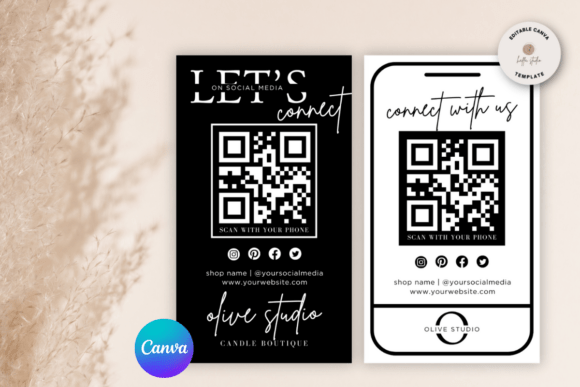
An editable QR code social media template is a pre-designed file that includes placeholders for your branding, text, and a QR code linking to your preferred social media platforms. These templates are typically created using design tools like Canva and come in various styles—from cute and playful to classic and professional—making them adaptable to different audiences and events. The beauty of these templates lies in their flexibility: you can modify colors, fonts, images, and layout elements to match your brand identity before embedding the QR code and printing the final product.
Why It Matters in Marketing and Branding
QR codes have become a staple in modern marketing because they offer a seamless way to bridge the physical and digital worlds. When printed on signage, brochures, or promotional items, they invite customers to engage with your brand by scanning them directly from their mobile devices. An editable QR code social media template simplifies this process by providing a ready-to-use format that ensures consistency across all your marketing materials.
Where Does This Template Fit Into Your Broader Process?
These templates fit naturally into several stages of a project lifecycle, depending on your needs:
- Before a launch: Create a buzz by placing QR codes at strategic locations that lead to teaser pages, landing sites, or social media countdowns.
- During an event: Use them on sign-in boards, welcome packets, or display panels to direct attendees to your social feeds, registration forms, or live updates.
- After a campaign: Embed them in thank-you cards, follow-up emails, or post-event materials to maintain audience connection and encourage continued interaction.
Their real value comes from how they integrate into existing workflows. For example, when planning a product launch, you might use the template during both the pre-launch and post-launch phases. You could also pair it with other tools such as email marketing software, CRM systems, or analytics platforms to track how many people scan the code and where they go next.
How to Customize and Use the Editable QR Code Social Media Template
Customization is straightforward thanks to the user-friendly interface of Canva. Once you’ve purchased the Editable QR Code Sign card template, you’ll receive a .zip file containing a PDF version of the design. Inside, you'll find a standard 3.5" x 2" inch layout, but the template is fully scalable to suit different printing needs. Here's how you can make the most of it:
- Set up your Canva account: If you don’t already have one, create a free Canva account. This will give you access to editing tools, font libraries, and stock assets.
- Edit the template: Upload the template file to Canva and begin customizing. Replace placeholder text with your business name, slogan, or relevant message. Adjust colors to align with your brand palette and swap out graphics if needed.
- Generate your QR code: Use a reliable QR code generator to create a code that links directly to your social media profile or landing page. Make sure the link is shortened for efficiency and tested for accuracy.
- Insert the QR code into the template: Drag and drop the generated QR code image into the designated area of the template. Resize it so it fits neatly without distorting the design.
- Review and finalize: Double-check that all elements are aligned, the QR code works correctly, and the overall look matches your expectations. Save the final version as a PDF or PNG for printing.
Workflow Integration Tips
To ensure smooth integration, consider these practical tips:
- Standardize your designs: Keep a consistent style across all your marketing materials. Store customized versions of the template in a shared folder or cloud platform like Google Drive or Dropbox for easy access.
- Batch edit for multiple campaigns: If you’re preparing materials for different events or products, open multiple copies of the template simultaneously in Canva to save time.
- Use collaboration features: Canva allows team members to comment and suggest changes, which is useful if you're working with designers, marketers, or clients.
- Test your QR code: Before printing, test the code with different apps and devices to confirm it works universally. This helps avoid usability issues later.
Printing Options and Considerations
Once you've finalized your design, the next step is printing. There are two main approaches: printing at home or outsourcing to a professional service.
Home Printing: If you plan to print the QR code sign cards yourself, make sure your printer supports high-resolution output (300 DPI or higher) and uses quality paper stock. This ensures the QR code remains scannable and the design looks sharp.
Professional Printing: For better durability or large quantities, consider using services like Staples, Office Depot, or online providers such as Vistaprint. These services often offer options for glossy finishes, lamination, or die-cutting, which can be ideal for signage or handouts at events.
No matter which option you choose, always include clear instructions for printing size and orientation to preserve the integrity of the design. Some templates may require adjusting dimensions based on the printing method, so review the template guidelines carefully.
Real-World Use Cases
Here are a few scenarios where the Editable QR Code Social Media Template can be particularly effective:
- Small Business Owners: Place QR code signs near your storefront, on packaging, or in local directories to drive traffic to your Instagram, Facebook, or LinkedIn profiles.
- Event Planners: Design QR code badges for speakers or booths that lead to bios, schedules, or event-specific hashtags.
- Freelancers and Creatives: Include QR code cards in your portfolio or business proposals to let clients instantly connect with your social media or website.
- Nonprofits and Educators: Use the template in community outreach materials or classroom projects to share educational resources or donation links.
Each of these applications demonstrates how versatile the template can be. By tailoring the design to the context, you can maintain professionalism while making your digital presence more accessible to others.
Factors to Consider for Long-Term Success
While the template itself is easy to use, there are several factors to keep in mind to maximize its effectiveness over time:
- Preparation: Gather all necessary branding assets (logos, fonts, color codes) before starting the customization process. This saves time and ensures consistency.
- Compatibility: Confirm that the QR code you generate is compatible with popular scanners and devices. Avoid using dynamic URLs unless you're prepared to update them regularly.
- Usability: Test the QR code with different phone models and scanner apps to ensure it functions correctly in real-world conditions.
- Organization: Maintain a library of saved templates with variations for different occasions. This makes it easier to reuse and adapt the design for future projects.
- Quality Control: Always proofread text, verify image resolution, and check alignment before printing. A small mistake can affect the entire look and functionality of the final product.
For long-term use, consider updating the template periodically to reflect new branding, campaigns, or platform changes. This keeps your materials fresh and relevant, ensuring they continue to serve their purpose effectively.
Getting Started with the Editable QR Code Sign Card Template
If you're new to using Canva for design work, here's a quick overview to help you get started:
- Open the template in Canva after downloading the .zip file.
- Click on any text box to replace the placeholder content with your own information.
- Upload your logo or brand assets using the upload feature in Canva.
- Adjust the QR code placement and size to fit within the design constraints.
- Save your design as a PDF or image file, depending on your printing preference.
With minimal effort, you can produce a polished, professional-looking sign card that enhances your brand’s accessibility and engagement. And since Canva is browser-based, you won’t need to install any additional software—just a stable internet connection and a basic understanding of the platform.
Final Thoughts
The Editable QR Code Social Media Template is more than just a design—it’s a strategic asset that can elevate your marketing, communication, and customer experience. Its strength lies in simplicity and adaptability, allowing professionals and hobbyists alike to incorporate digital engagement into physical materials effortlessly. Whether you're creating signage for a pop-up shop, handing out business cards at a conference, or promoting a personal blog, this template provides a clean, customizable solution.
By thoughtfully integrating the template into your workflow and considering aspects like design, printing, and ongoing maintenance, you can ensure that your QR code materials remain effective and aligned with your goals. So take a moment to explore the possibilities and see how the Editable QR Code Sign card template can benefit your next project.